The infrastructure for wastewater and water has grown over gravity-based systems. Engineered pumping systems are vital to ensure that water flows safely and efficiently when communities grow and land becomes harder to develop. A properly-designed pump station is able to support everything from water collection and stormwater control to potable drinking water distribution as well as industrial operations.
Each pumping system differs with regards to elevation, to flow specifications, water quality and even ownership requirements. By addressing these factors when designing the project you will reduce the risk of recurring problems and make sure that the system performs as intended over many decades.
Why a Package Pumping System is required to be project-specific
A package pumping system is designed as a complete, integrated solution rather than a collection of off-the-shelf components. How a system is designed depends on several variables, including the location’s conditions, environmental laws, and the operational goals. Different pump configurations and control strategies are required for commercial development, municipal facilities, as well as industrial installations.
Through analyzing flow rates, duty points and lifecycle costs prior to the start, engineers can develop preliminary layouts and budgetary estimates that guide smarter decisions. This can reduce the need for changes. It also prevents unexpected costs during construction and ensures that all parties involved are on same page from the start.
Modern Development Modern Development: Wastewater Lifting Stations
As urban areas are growing, the sewer infrastructure has to adapt to the changing terrain and expanding areas of service. A wastewater lift-station permits sewage flow to be carried from lower elevations to higher point of collection to ensure reliable transfer to treatment facilities. These systems can be vital in places where gravity flow isn’t enough to meet demand.
Wastewater lift stations have to take into account the fluctuating flow as well as processing of solids, corrosion resistance and compliance with regulations. Municipal systems usually focus on long-term durability as well as ease of maintenance while industrial or private systems might be focused on capacity and flexibility. Custom engineering ensures pumps, structures, controls and other components are chosen to fit the particular operating environment.
Stormwater Lift Stations & Environmental Protection
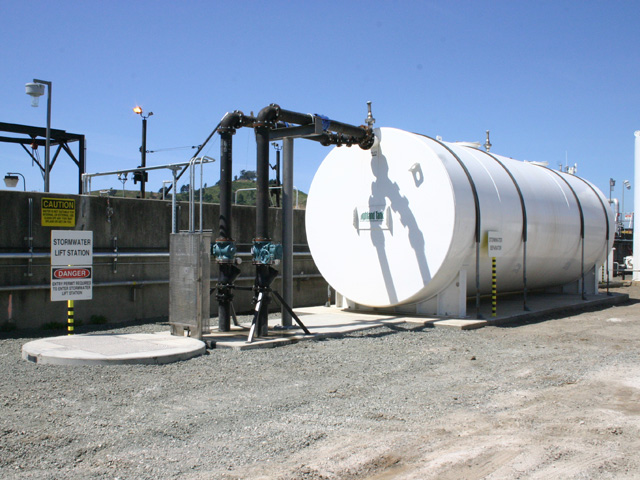
Managing stormwater effectively has become more important as the density of development increases and weather patterns become more unpredictable. The well-designed stormwater lift stations assist control runoff, manage retention ponds, and decrease the chance of flooding. These systems are also environmentally efficient, as they transfer stormwater to a treatment facility before releasing it into natural waterways.
Stormwater pumps have to function reliably with a variety of flow conditions – from moderate rain to intense storms. The stations are constructed with the peak flow, seasonal variations and long-term sustainability in mind. Flexible material choices and pump technologies permit the systems to adapt to changes in requirements over time.
Pumps for Industrial Use and Water Purification
Pump stations aren’t only for municipal use. Pumping systems are utilized in industrial facilities for handling high-temperature liquids, high-pressure applications, oily waters and chemically-aggressive waste streams. To design for these environments it is necessary to have specialized knowledge and the right materials.
Clean water systems, including booster stations, support residential, commercial water distribution, as well as municipal. For the sake of user satisfaction and dependability, it is important to maintain a constant flow and pressure. Pump stations used for irrigation and reclaimed groundwater, as well as extraction from groundwater, as well as large water features must be able to balance performance and durability.
Integrated Design from an All-One Source
The complexity and the risk arise when coordinating multiple vendors to supply electrical, structural, mechanical and control elements. A single source supply and design model streamlines project execution and enhances system compatibility. The design team can develop practical solutions faster by drawing on the experience of various pumping situations.
Romtec Utilities applies this integrated approach across wastewater, stormwater industrial, and clean water applications. When Romtec Utilities handles the entire pumping system, including engineering, the selection of equipment, structural housing and control, projects benefit from improved communication and a consistent process.
The modern infrastructure is built on the capability of pumping systems to react to changing conditions, rather than preconceived notions. An intelligent design, early evaluation, and integrated execution ensure that every pump station will perform reliably while meeting the long-term needs of the owners and operators.