Managing a homeowners association involves much more than arranging meetings or collecting dues. HOA boards must handle finances and enforce rules, as well as communicate with residents, and maintain compliance with local regulations. A lot of communities, particularly those governed by volunteer boards, discover that the responsibilities are too much. HOA software is a practical and well-organized way of handling these responsibilities in a central and efficient manner.
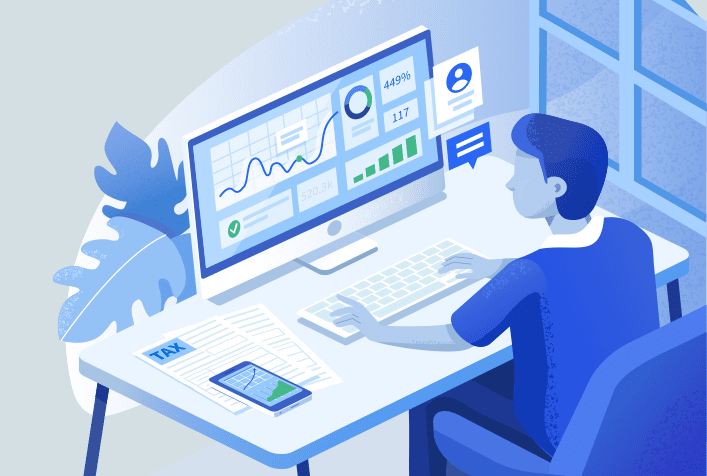
Modern HOA platforms replace paper records, spreadsheets and scattered tools for communication by bringing together a single digital workspace. Instead of switching between different platforms, boards can now manage all their operations from a single dashboard. This results in better organization, fewer errors and a smoother experience for both board members and homeowners.
HOA Accounting Software Aids in Financial Transparency
The management of finances is one of the most critical areas in any HOA. Without clear records the community is at risk of budgeting blunders conflicts, litigation, and concerns about compliance. HOA accounting software eases financial tracking by synchronizing accounts in banks and categorizing earnings and expenditures in real-time.
Through real-time financial reports, boards gain immediate access to the profit and loss statement and cash flow summaries and budget comparisons. These data allow board members to make informed decisions and provide transparent update to residents. Financial information that is accurate is also a way to increase confidence in the community because homeowners are able to clearly understand where the funds are going.
HOA Bookkeeping Software: Its function in the daily activities
Reliable bookkeeping plays a vital part in ensuring stability over the long term. HOA bookkeeping software reduces manual data entry and ensures every transaction is recorded correctly. Automated bookkeeping avoids common mistakes like duplicate entries, missing payments or misclassified expenditures.
With organized financial records boards can prepare for audits more easily and resolve disputes with documents. This improves transparency and accountability within the organization.
Simpler Invoicing and online payments
Dues collection can become a major stressor for HOA board members. In the event of late payments, cash flow is affected and could require numerous following-ups. Invoicing software allows boards to create and send invoices in a short time. Online payment options let residents to pay.
Digital payment methods such as debit cards, credit card, and ACH transfers make it simpler for homeowners to make payments. Automated reminders help homeowners make timely payments and lessen the administrative burden for board members. This creates an increased stability of the revenue stream and fewer problems with collection as time passes.
Communication and Compliance Made Easy
HOA conflicts are often caused by communication breakdowns. Centralized communication tools permit boards to store all communications, messages, and other notices in one spot. The board is able to access the entire history of communication.
Digital tools assist in ensuring compliance. Boards can arrange meeting minutes, manage governing documents, and generate meeting minutes in a way that is automated. Maintaining organized records aids in legal compliance as well as protects the association during disputes or regulatory audits.
Document Management and Access for Homeowners
Paper documents are security hazards and hinder the sharing of information. Boards can upload, arrange and share files in a safe way with the help of digital document management. All authorized users have access to crucial documents.
Secure homeowner portal enhances participation by providing residents with access to their invoices, payment history along with community events and official documents. Residents can follow their requests online and then submit them electronically, which eliminates the need for manual communication.
Automatization and Multi-Community Management
Automating administrative tasks decreases the amount of repetitive work. Systems can calculate late fees, schedule reminders, classify expenses, and create reports on a regular basis. Board members can focus on strategic decision-making rather than entering data.
Property management companies manage multiple HOAs by using a single platform. Switching between communities is seamless this allows administrators to effectively scale their operations.
How to Pick the Best HOA Management Software
HOA management software should focus on addressing the actual issues that residents and boards face. The best platforms integrate the bookkeeping, accounting, and payment processes along with compliance, communication and automation.
Perfect HOA represents a modern method of managing community by providing a cloud-based service that aids homeowners, board members and property managers. HOAs can gain more control over finances, more transparency and better oversight of day-to-day operations by replacing outdated systems with digital ones.